nutritionAugust 24, 20268 min read
Meal Prep Strategies for Digital Nomads: Eat Well Without a Kitchen
Discover practical meal prep strategies for digital nomads and frequent travelers. Stay fueled, healthy, and energized without relying on a full kitchen.
By Gym Nomad
# Meal Prep Strategies for Digital Nomads: Eat Well Without a Kitchen
One of the biggest challenges of the nomadic lifestyle isn't finding Wi-Fi or managing time zones — it's eating well on the road. When you're hopping between Airbnbs, co-working spaces, and hotel rooms, maintaining a nutritious diet can feel nearly impossible. But with the right meal prep strategies, you can fuel your body and mind no matter where your laptop takes you.
## Why Meal Prep Matters for Nomads
Frequent travelers and digital nomads face a unique nutritional challenge: inconsistent access to healthy food, unpredictable schedules, and the constant temptation of convenience food. Studies show that poor nutrition directly impacts cognitive performance, energy levels, and mood — all critical factors when you're running a business or working remotely.
Meal prepping — even in a minimal way — gives you control over what you eat, saves money, and reduces decision fatigue. You don't need a full kitchen or a week's worth of groceries. You just need a smart system.
## The Nomad-Friendly Meal Prep Toolkit
Before diving into strategies, let's talk gear. You don't need much, but a few key items make a huge difference:
- **Portable electric kettle**: Boils water for oatmeal, instant soups, and herbal teas in minutes.
- **Collapsible food containers**: Lightweight, stackable, and TSA-friendly.
- **Mini cutting board and knife set**: Many travel-friendly sets fit in a toiletry bag.
- **Reusable zip-lock bags**: Perfect for portioning snacks and dry goods.
- **Insulated lunch bag**: Keeps prepped food fresh for hours without refrigeration.
With these basics, you can prep and store food in almost any accommodation.
## Strategy 1: The Grocery Store First Rule
The moment you arrive in a new city, find the nearest supermarket before you do anything else. This single habit is the foundation of eating well as a nomad.
Look for:
- **Whole grains**: Instant oats, rice cakes, whole grain bread
- **Protein sources**: Canned tuna, hard-boiled eggs, Greek yogurt, cottage cheese, edamame
- **Healthy fats**: Nuts, nut butter packets, avocados
- **Fresh produce**: Pre-washed salad greens, cherry tomatoes, baby carrots, bananas, apples
Spend 20–30 minutes and $20–40 USD, and you'll have the building blocks for 3–4 days of solid nutrition.
## Strategy 2: Build Around Anchor Meals
Instead of trying to prep every meal, focus on "anchor meals" — one or two meals per day that you control completely, leaving one meal flexible for restaurants or local food exploration.
**Breakfast anchor**: Overnight oats are a nomad's best friend. Combine rolled oats, chia seeds, a scoop of protein powder, and your choice of milk (shelf-stable cartons work great) in a container the night before. Add fruit in the morning. No cooking required.
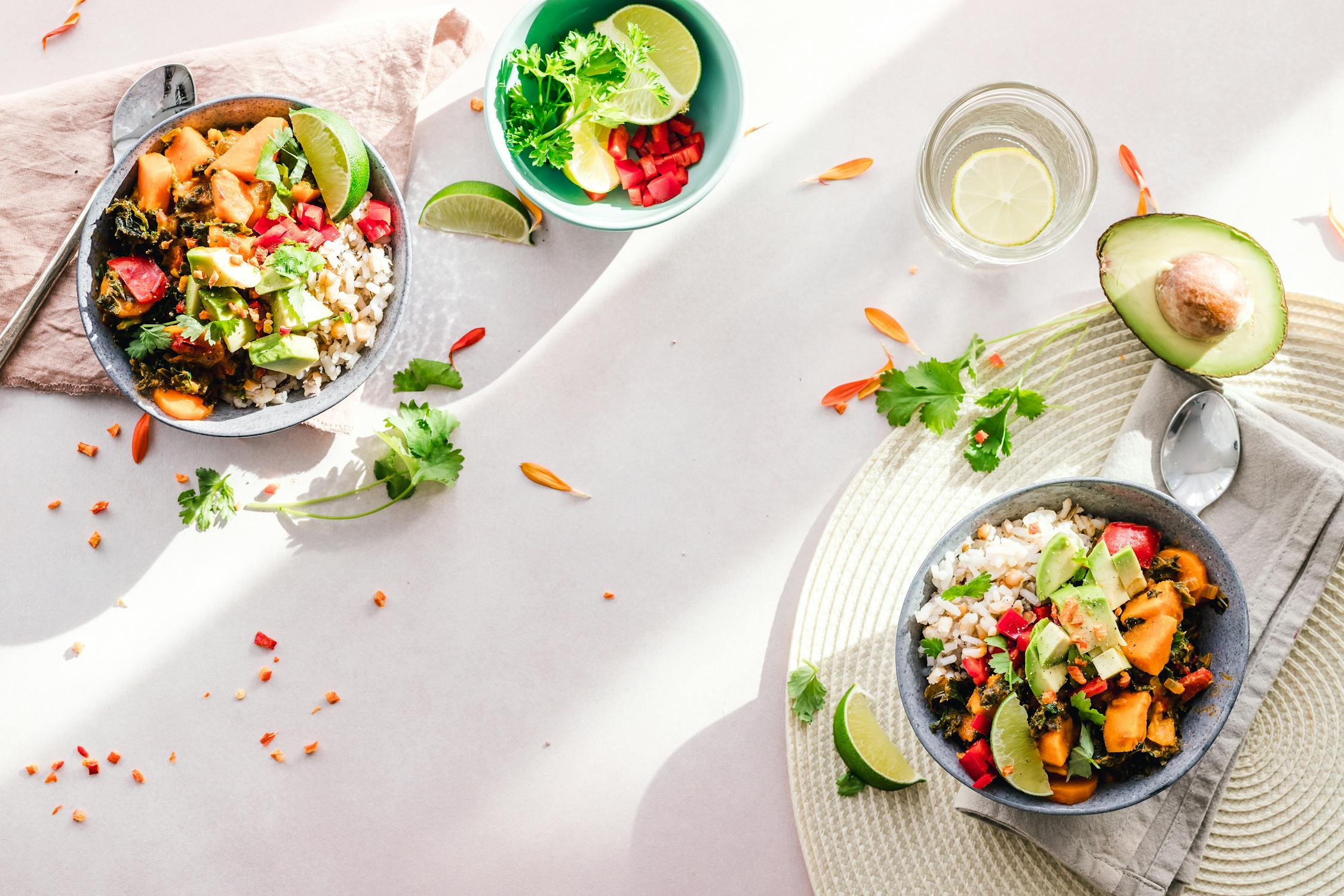
**Lunch anchor**: Build a "power bowl" from whatever you bought at the grocery store. Layer leafy greens, a protein source (canned fish, hard-boiled eggs, or pre-cooked chicken from a deli), healthy fats, and a complex carb. Dress with olive oil and lemon.
**Dinner**: This is your flexible meal. Explore local cuisine, try a restaurant, or grab something from a market. Eating one local meal per day keeps the experience of travel alive while your other meals keep you on track.
## Strategy 3: Master the Hotel Room Hack
Even without a kitchen, a hotel room can become a functional food prep station. Here's how:
### The Kettle Method
A portable kettle (or the one in your room) opens up more options than you'd think:
- **Instant oatmeal**: Add boiling water, wait 3 minutes, top with nuts and fruit.
- **Instant miso soup**: A warming, low-calorie meal with surprising nutritional value.
- **Couscous**: Pour boiling water over couscous, cover for 5 minutes, add canned chickpeas and olive oil.
- **Herbal teas**: Support digestion, sleep, and hydration throughout the day.
### The Microwave Method
If your room has a microwave (many hotels and Airbnbs do), your options expand significantly:
- Scrambled eggs in a mug (2 eggs, splash of milk, 90 seconds)
- Steamed vegetables in a covered bowl
- Reheated pre-cooked grains from a grocery store
## Strategy 4: Smart Snacking for Long Work Sessions
Digital nomads often work long, uninterrupted sessions. Without planned snacks, you'll reach for whatever is convenient — usually vending machine junk or overpriced café pastries.
Build a "snack stash" with these travel-friendly options:
- **Protein bars**: Look for options with 15–20g protein and minimal added sugar.
- **Mixed nuts**: Calorie-dense, satisfying, and shelf-stable.
- **Nut butter packets**: Single-serve almond or peanut butter packs pair perfectly with rice cakes or fruit.
- **Jerky or biltong**: High-protein, portable, and available worldwide.
- **Dark chocolate (70%+)**: A small square satisfies sweet cravings and provides antioxidants.
Keep your snack stash in your laptop bag so you're never caught hungry during a work sprint.
## Strategy 5: Hydration as a Non-Negotiable
Dehydration is one of the most common — and most overlooked — performance killers for nomads. Travel, air conditioning, and irregular schedules all contribute to chronic mild dehydration, which impairs focus, mood, and physical performance.
**Daily hydration targets**: Aim for at least 2–3 liters of water per day, more if you're in a hot climate or exercising.
**Practical tips**:
- Carry a reusable water bottle and refill it constantly.
- Add electrolyte tablets or powder to your water after workouts or long travel days.
- Limit alcohol and caffeine, which are diuretics.
- Eat water-rich foods: cucumbers, watermelon, oranges, and leafy greens.
## Putting It All Together: A Sample Nomad Day
**Morning**: Overnight oats with banana and almond butter + black coffee or green tea
**Mid-morning snack**: Handful of mixed nuts + apple
**Lunch**: Power bowl with canned tuna, mixed greens, cherry tomatoes, avocado, and olive oil
**Afternoon snack**: Protein bar + herbal tea
**Dinner**: Local restaurant meal — enjoy the culture!
**Evening**: Greek yogurt with a drizzle of honey if still hungry
This framework keeps you fueled, focused, and free to enjoy the best part of nomadic life: the experience.
## Final Thoughts
Eating well as a digital nomad doesn't require a chef's kitchen or a rigid meal plan. It requires intention, a few smart tools, and a simple system you can replicate anywhere in the world. Start with the grocery store first rule, build your anchor meals, and stock a snack stash — and you'll have the nutritional foundation to perform at your best, wherever you are.
Your body is your most important piece of remote work equipment. Treat it accordingly.
meal prepdigital nomad nutritiontravel foodhealthy eating travelnomad diethotel room cookingtravel snacksremote work nutrition
Newsletter
Want free fitness tips?
Get workout guides, nutrition tips, and traveler routines delivered to your inbox. No spam, just useful content.